
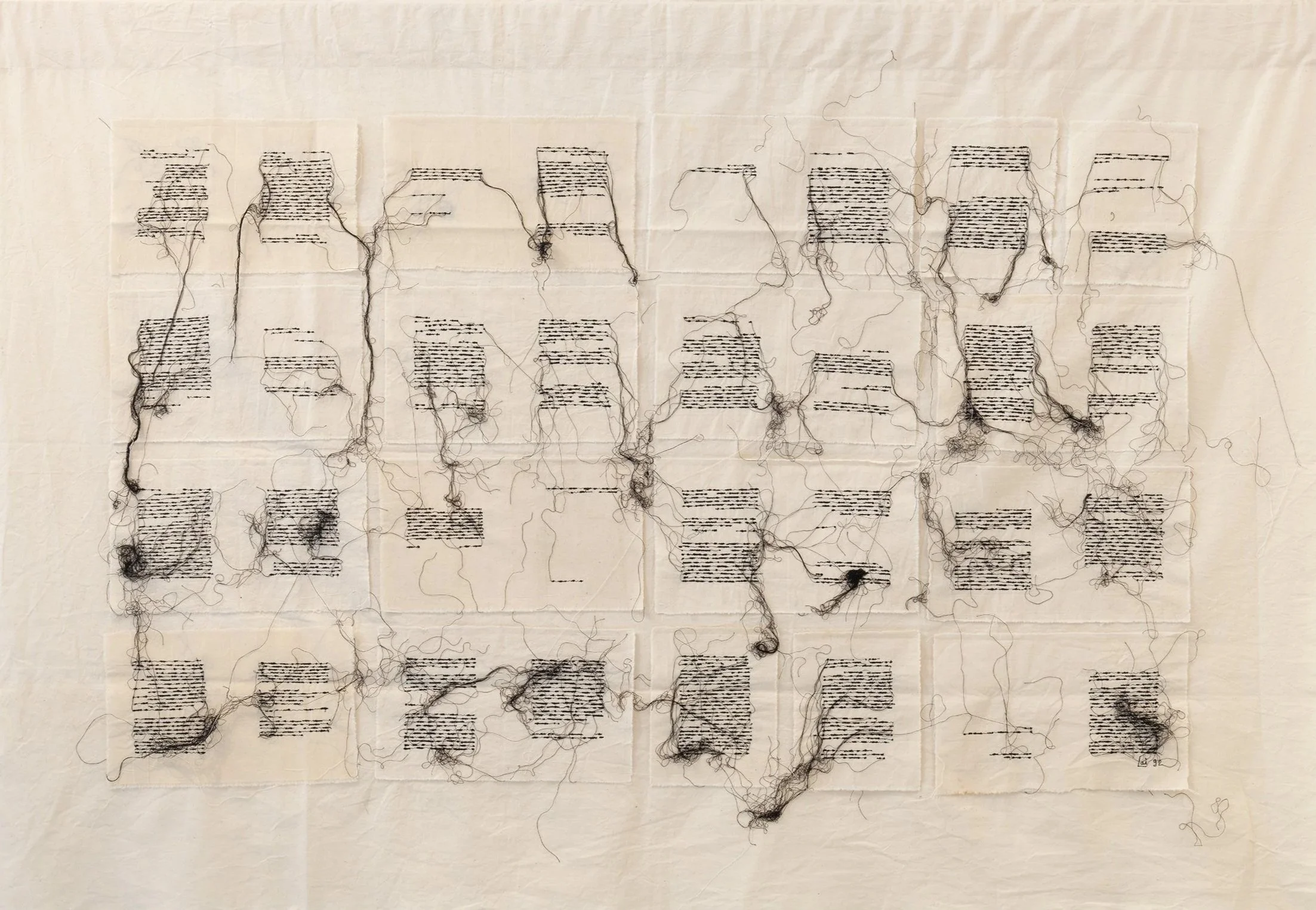
Maria Lai
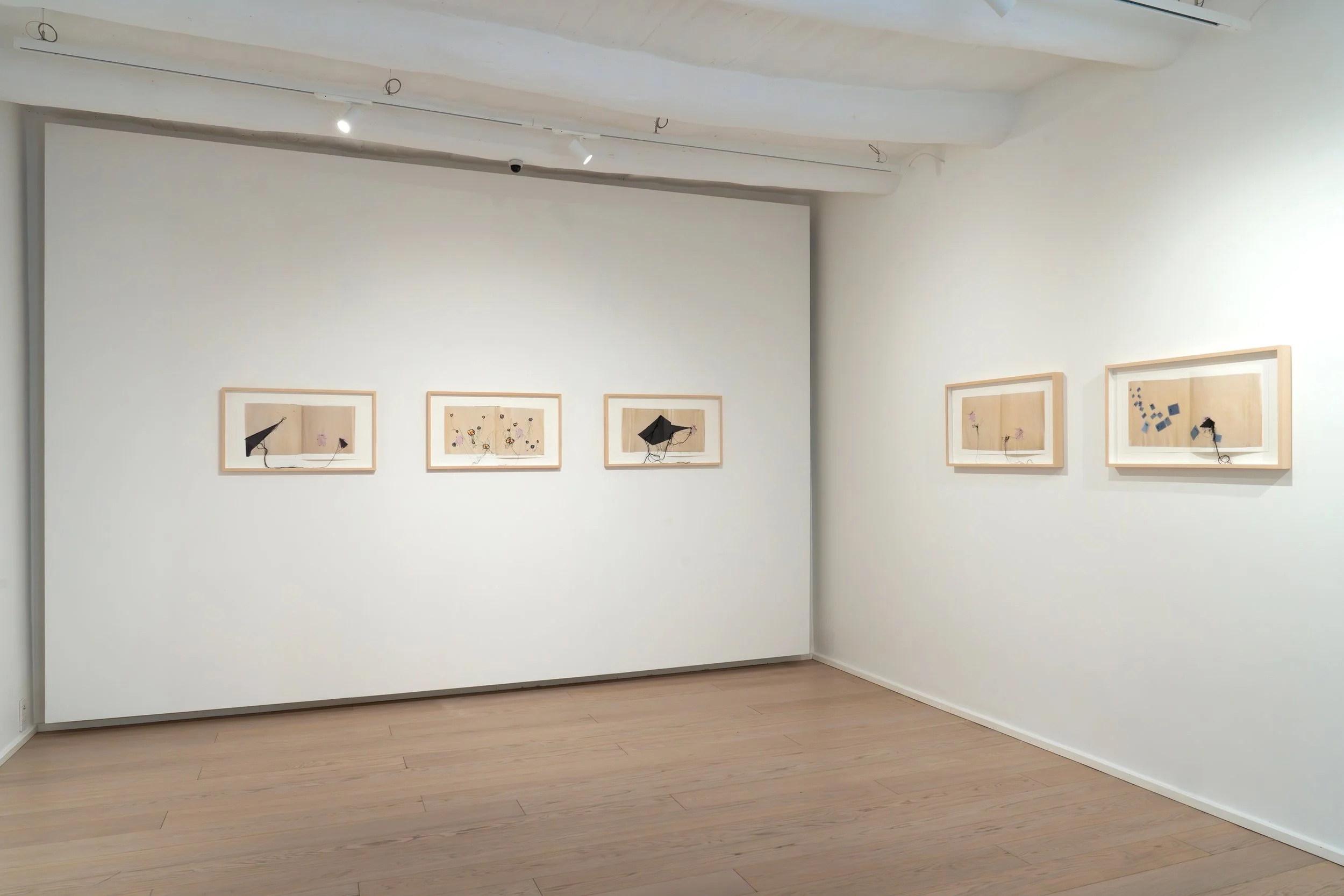
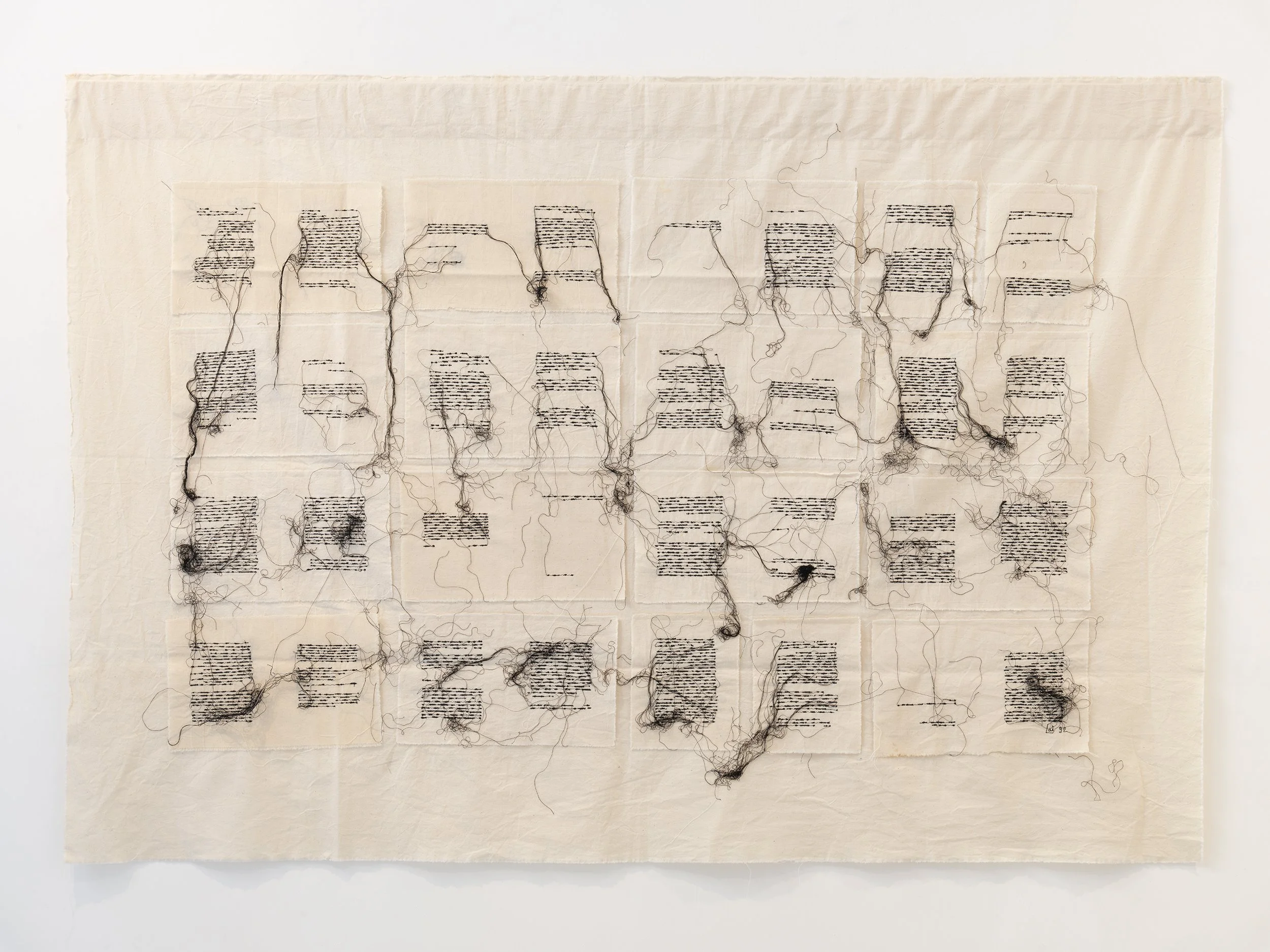
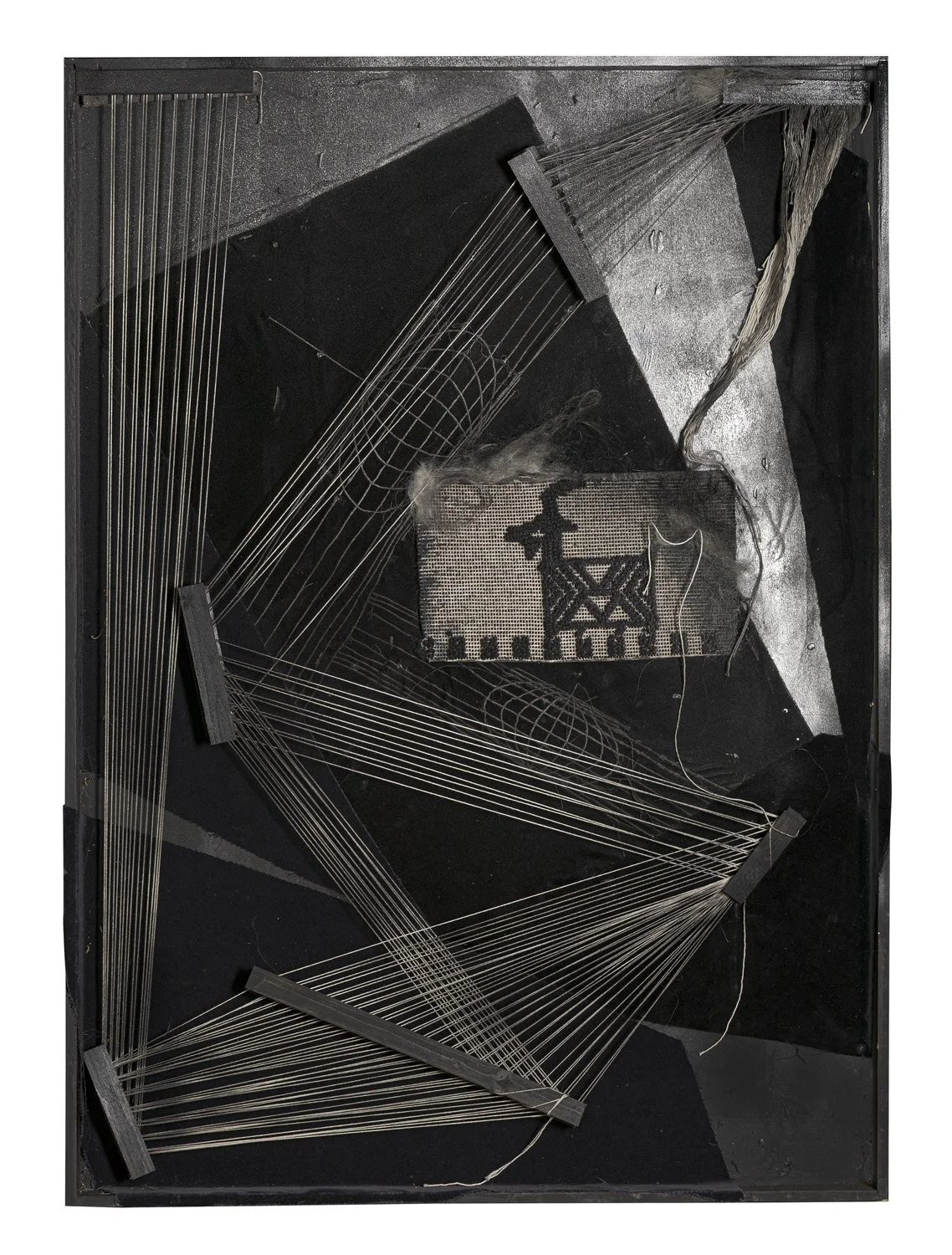
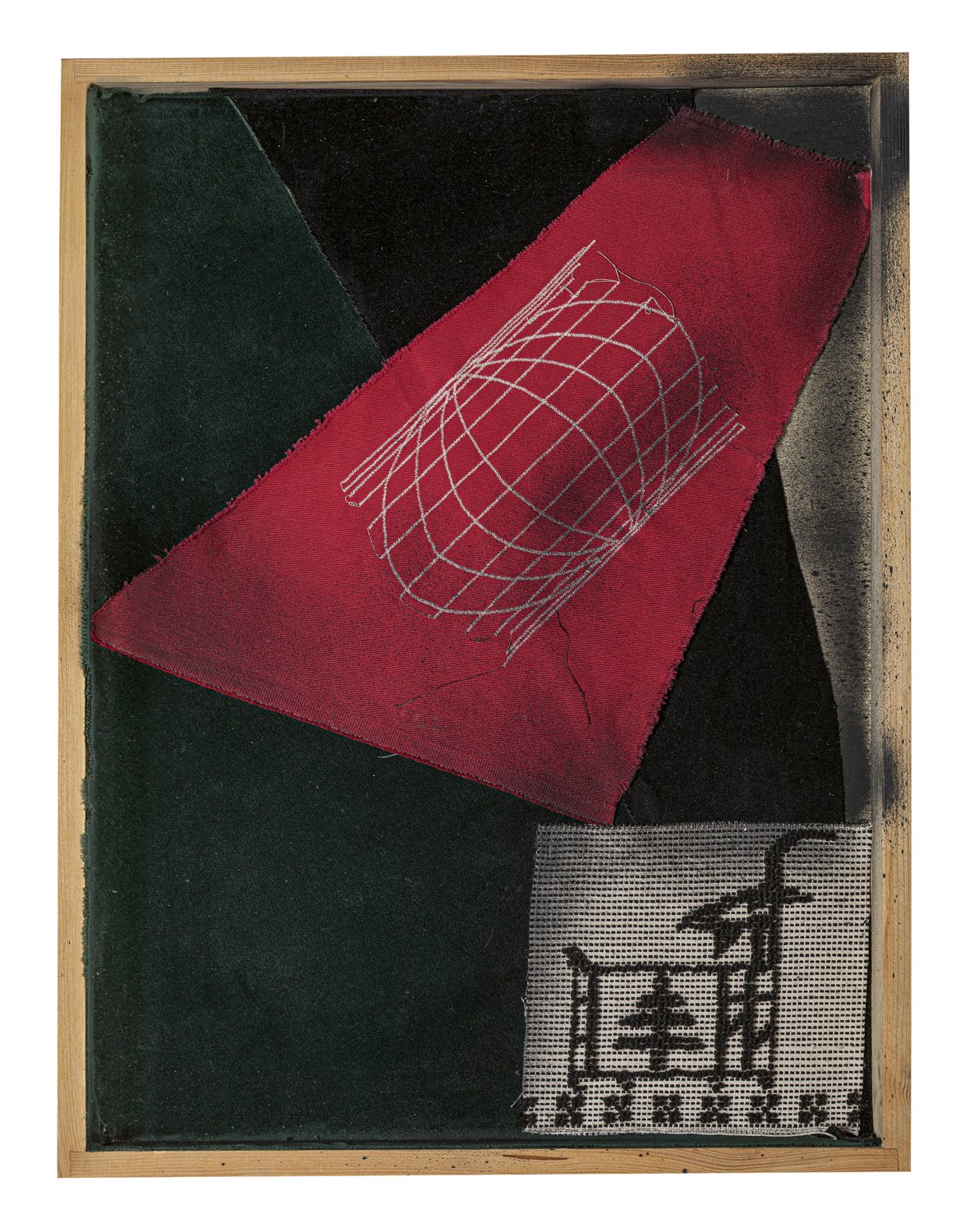
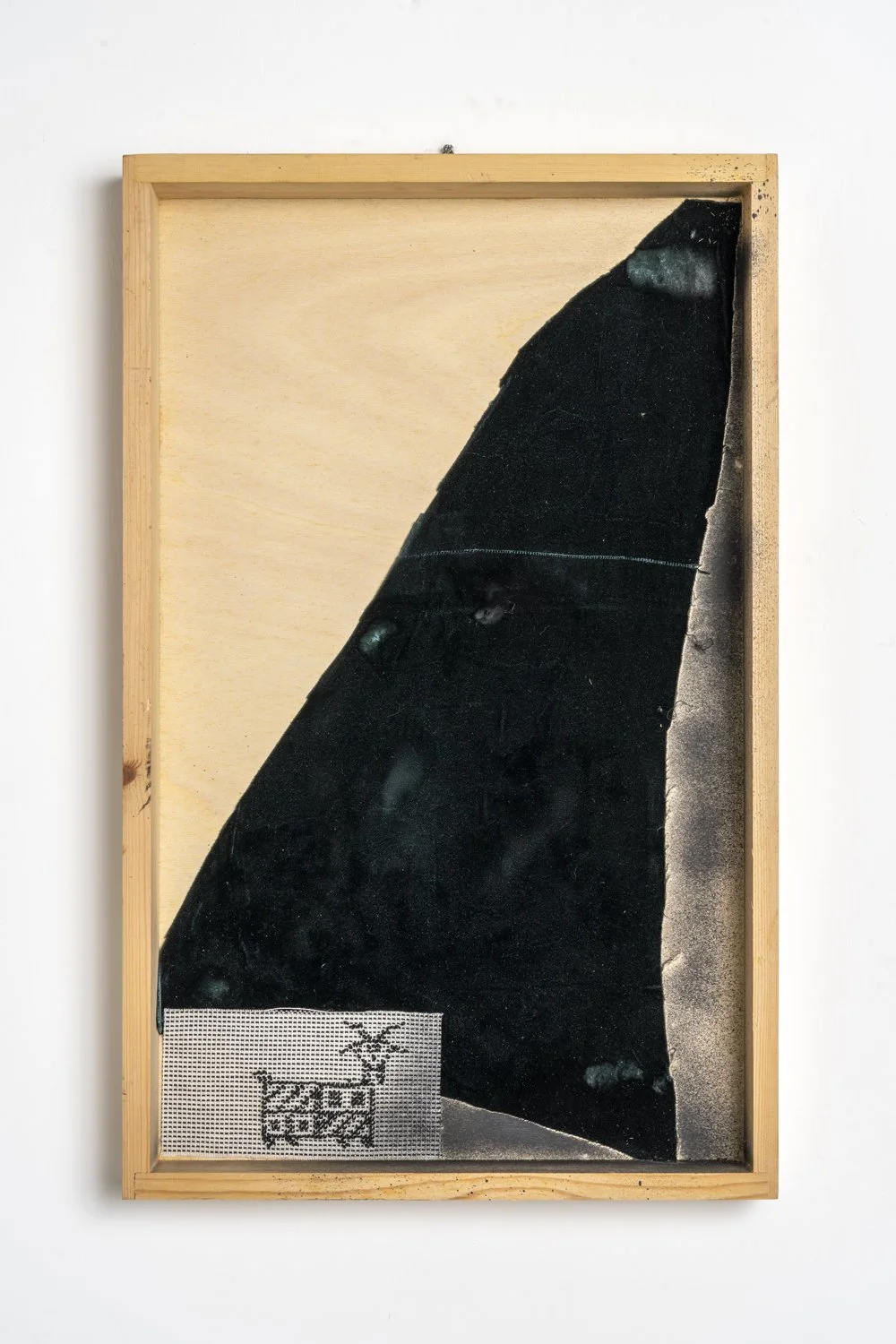
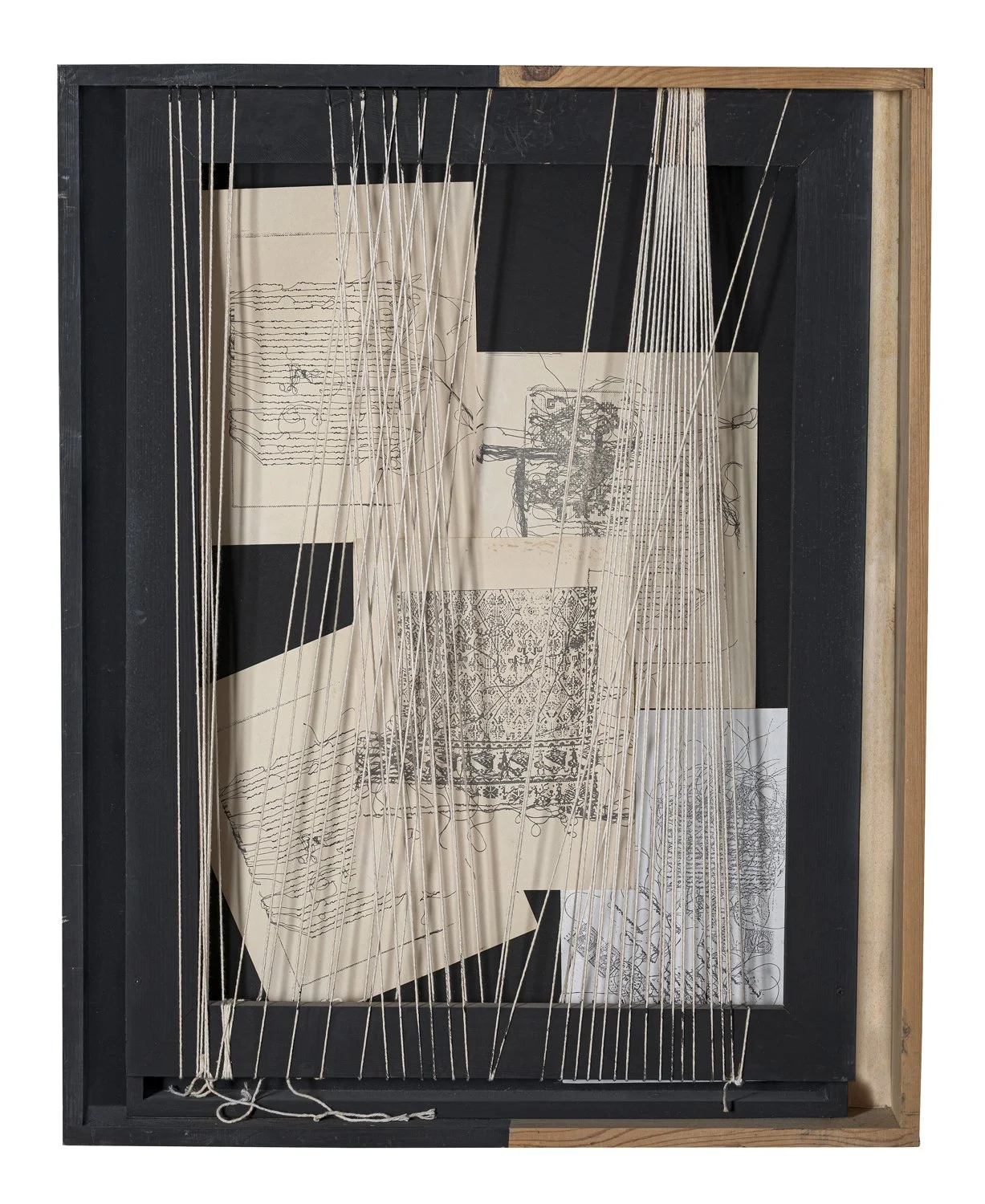
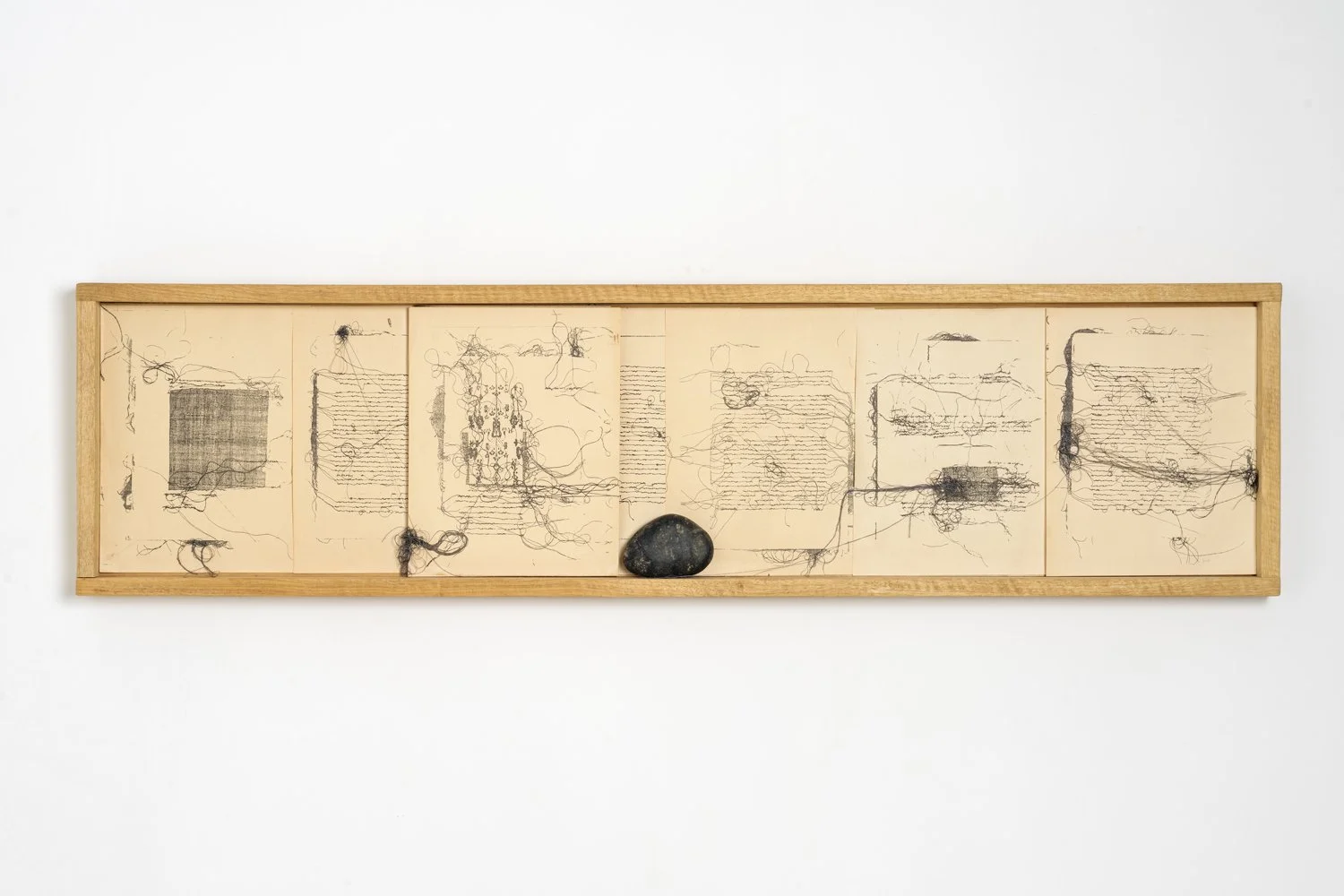
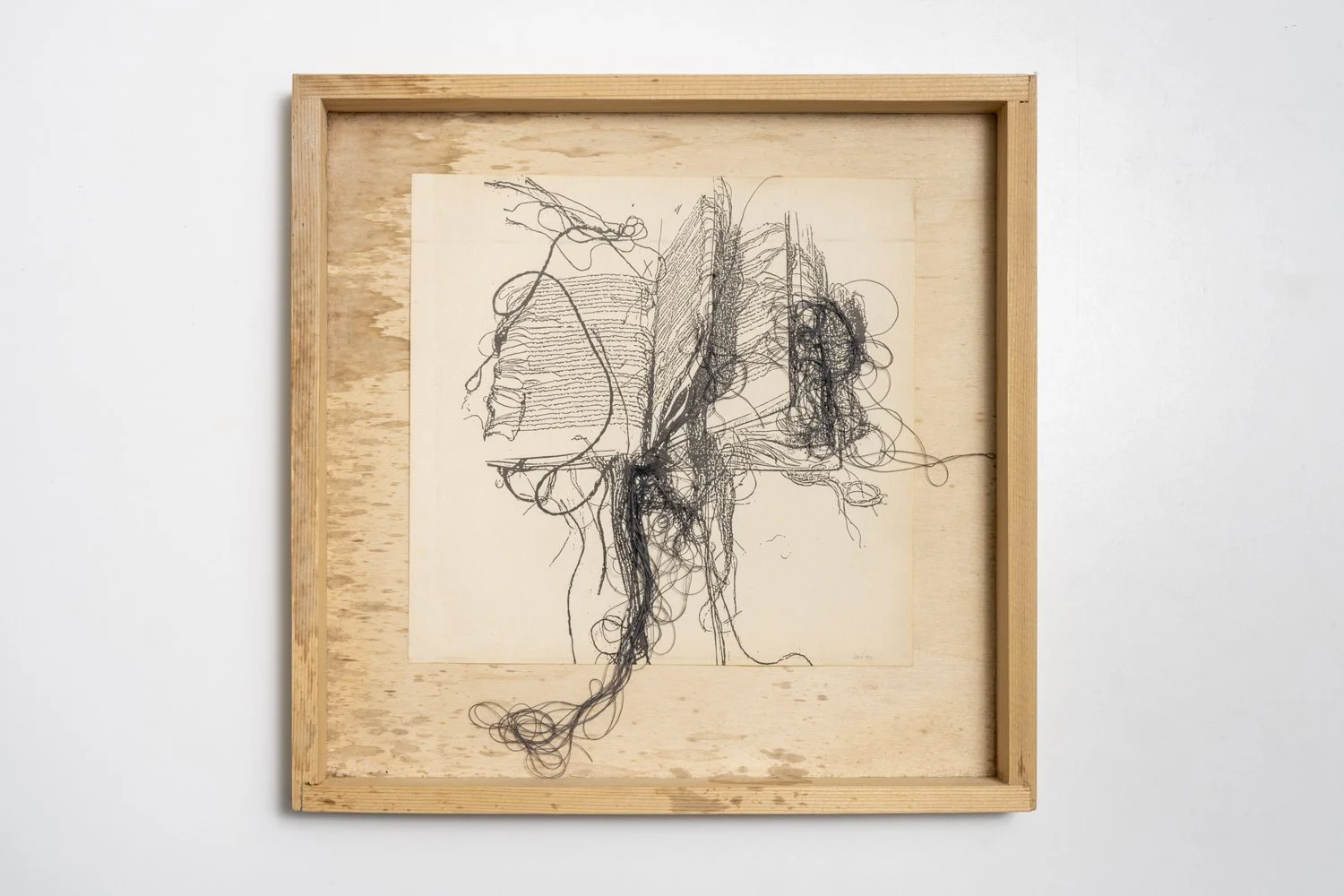
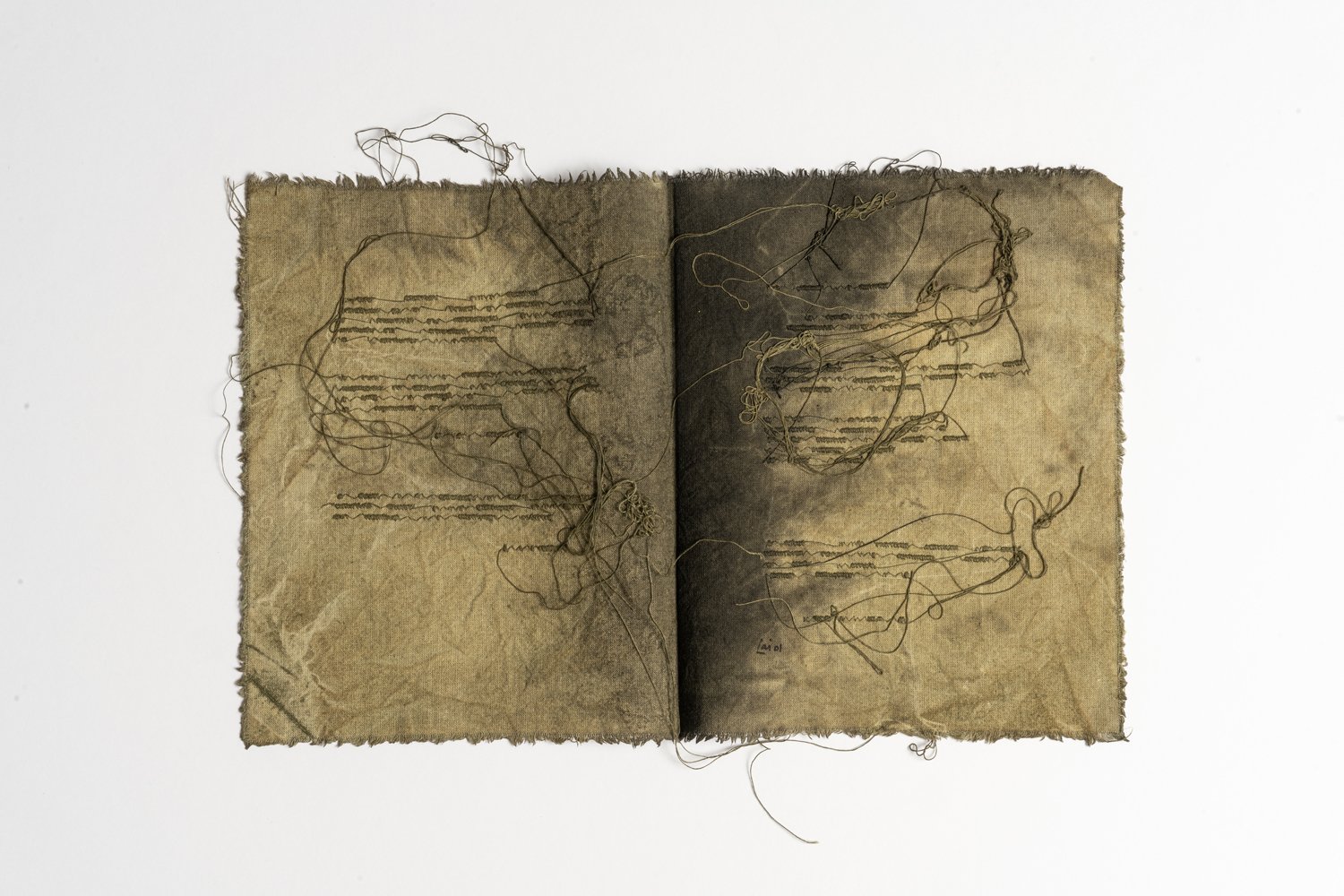
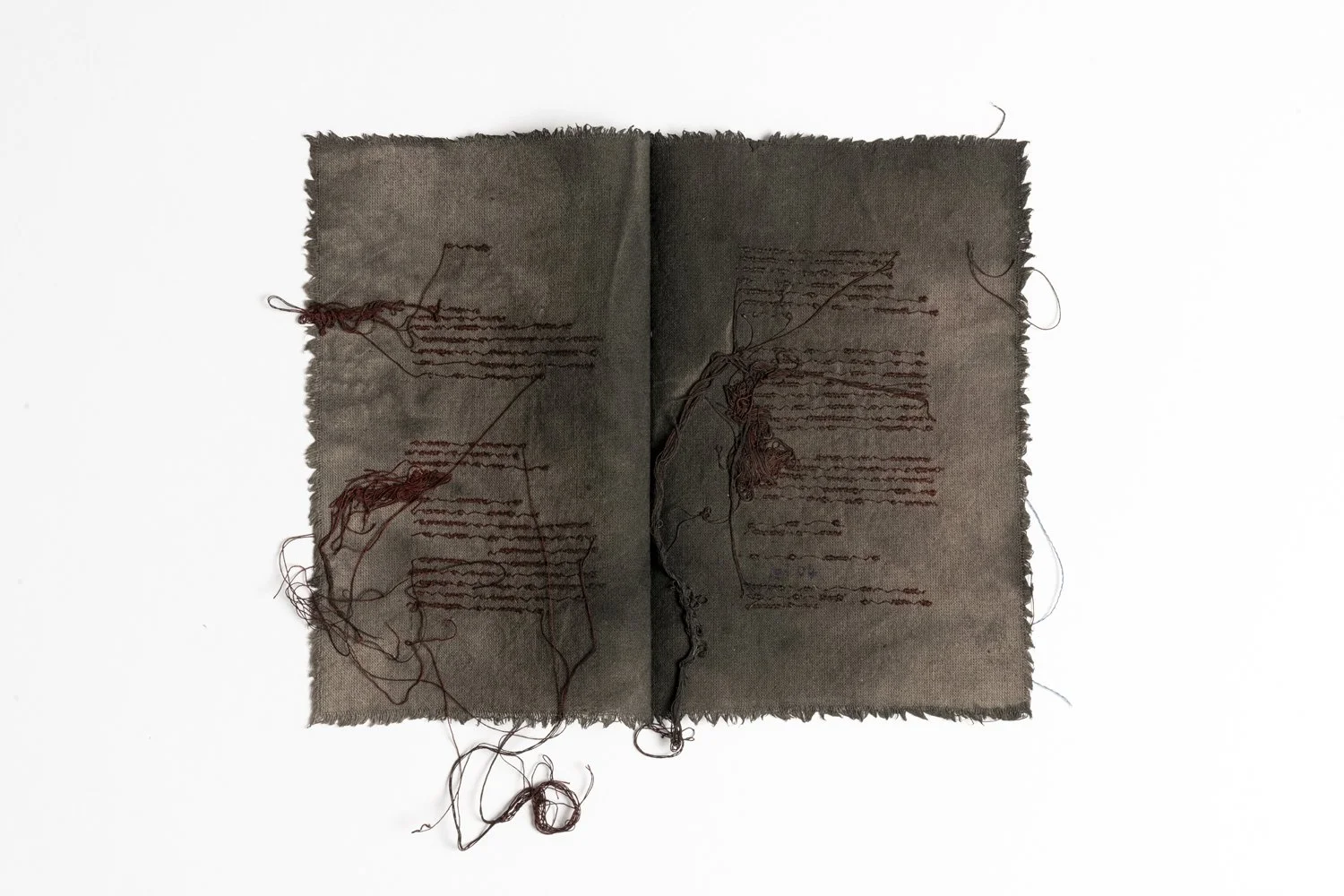
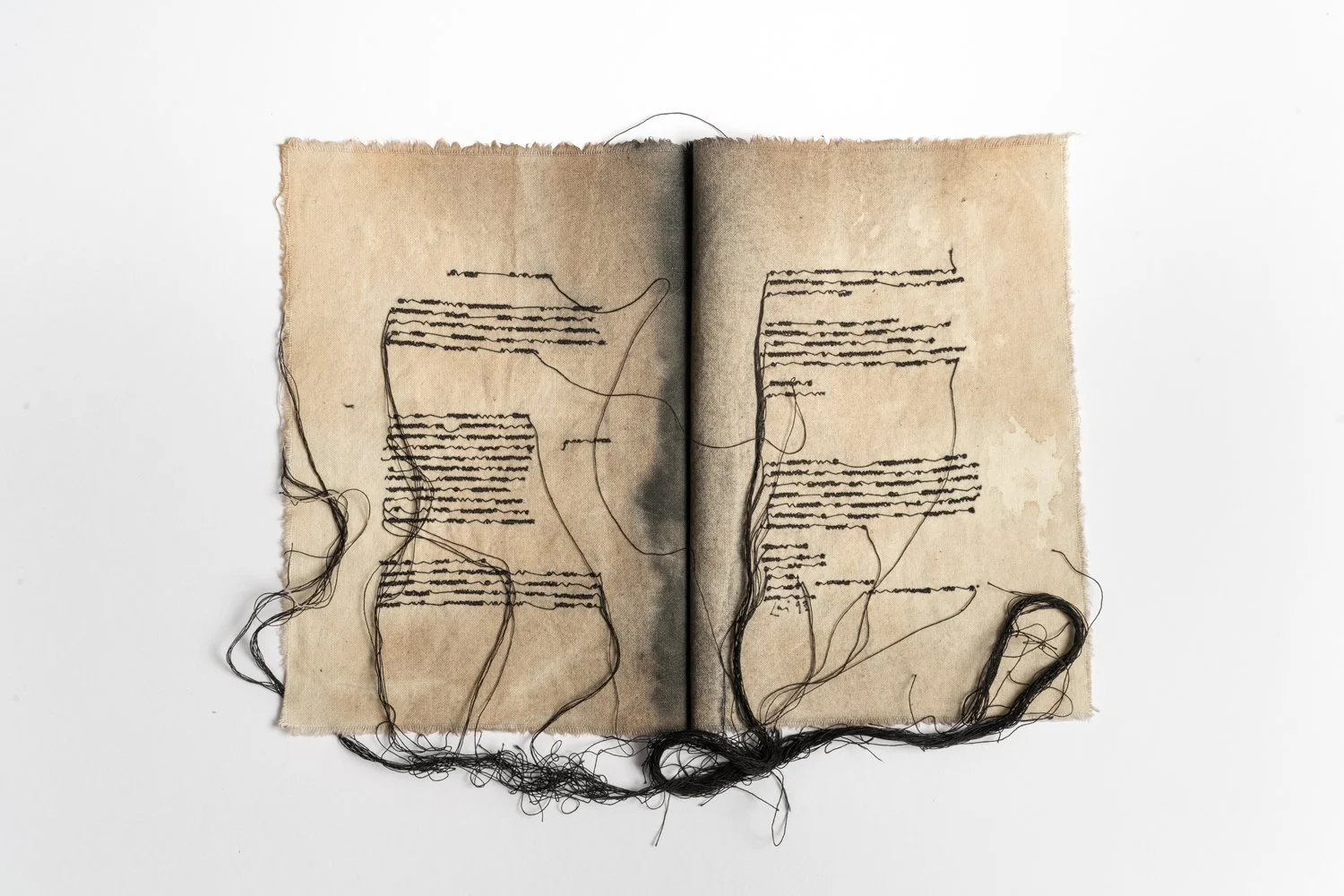
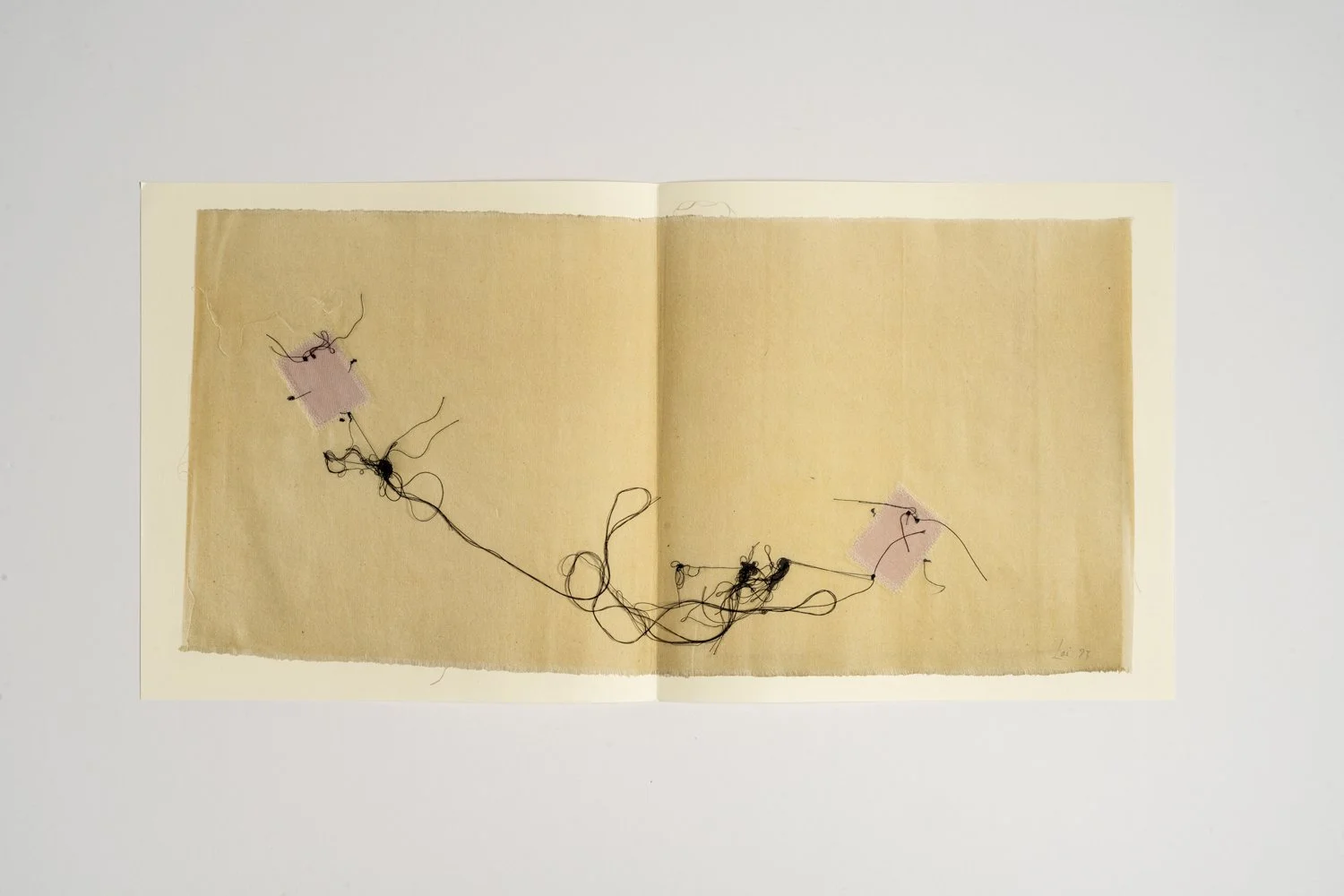
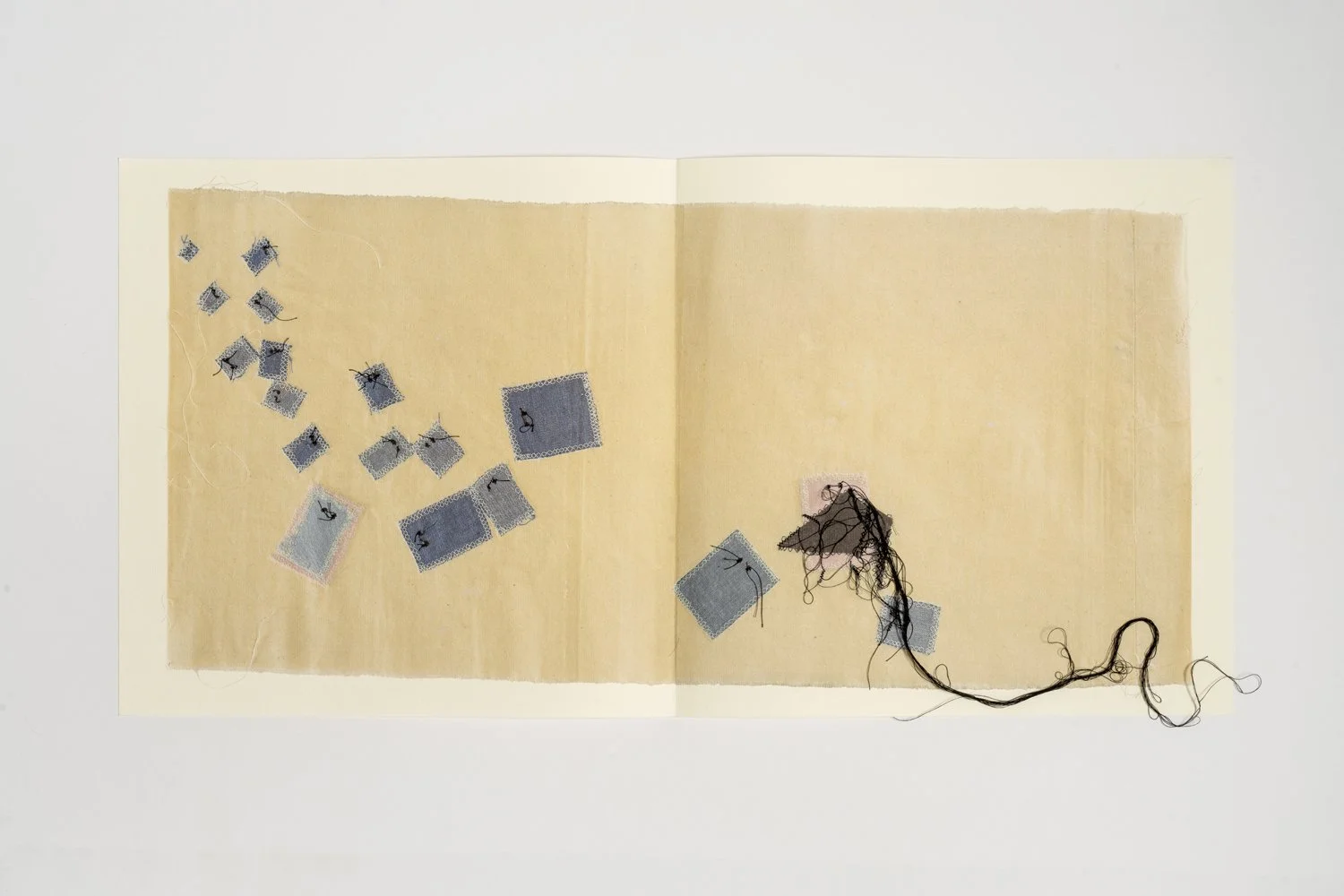
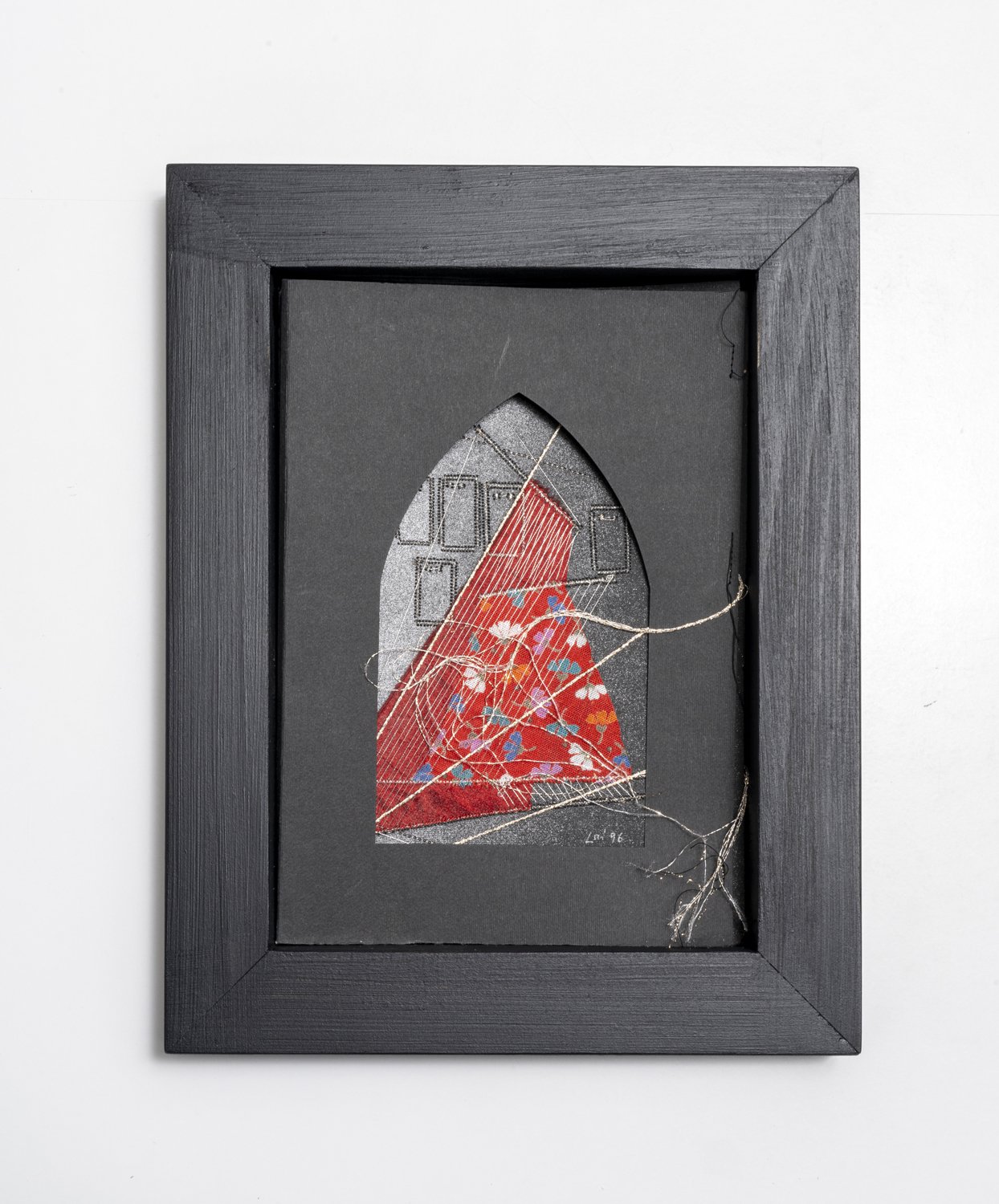
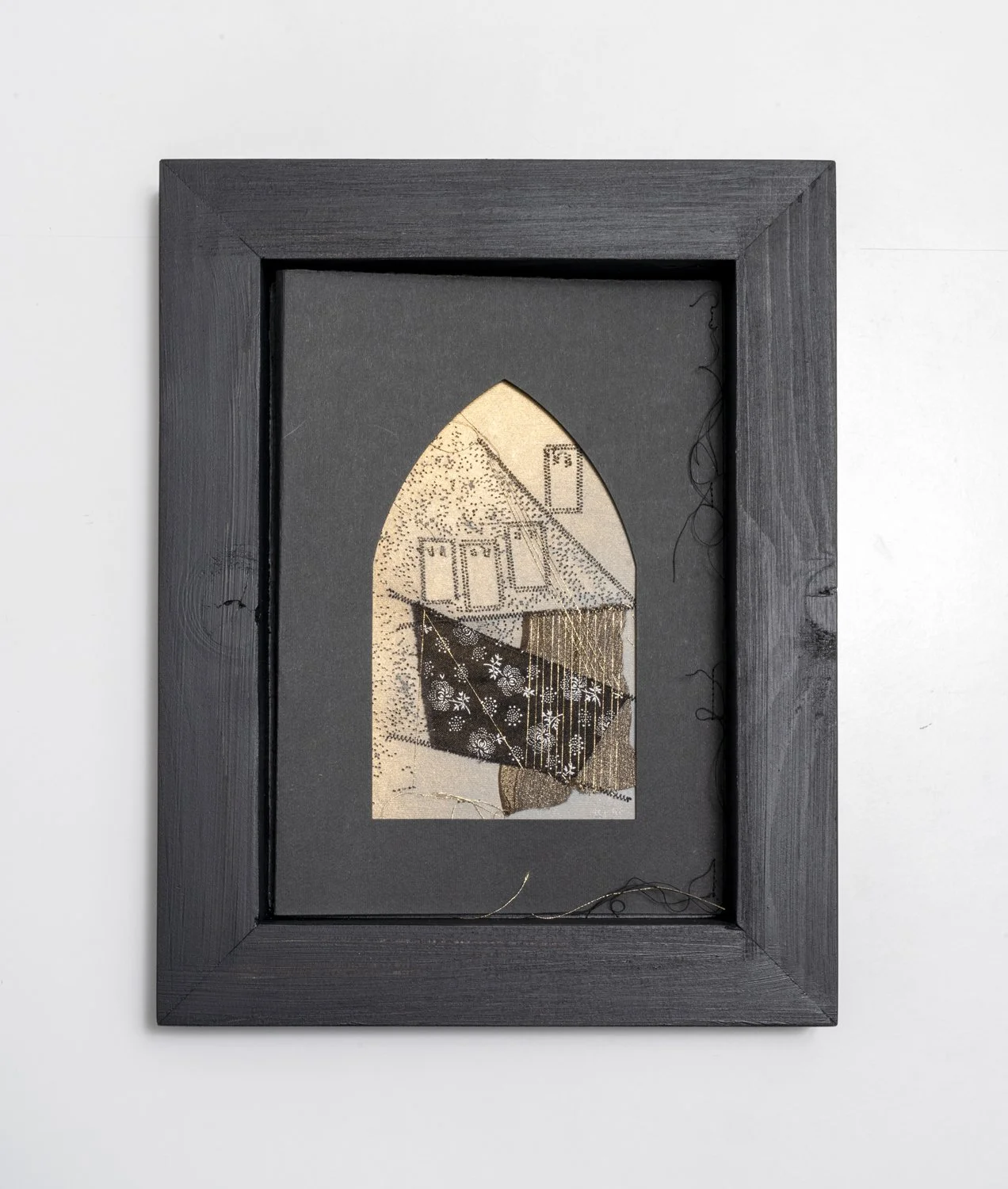
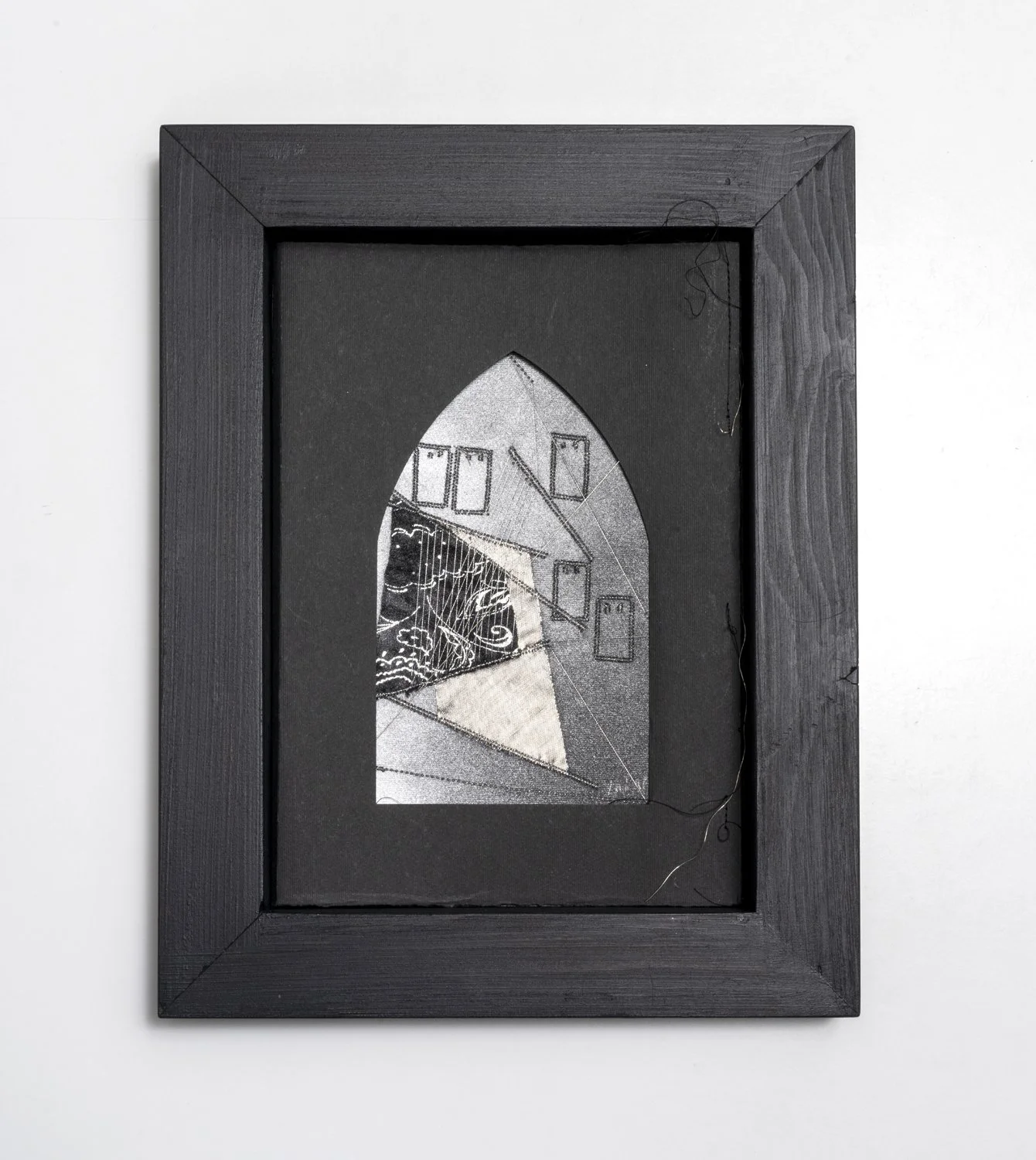
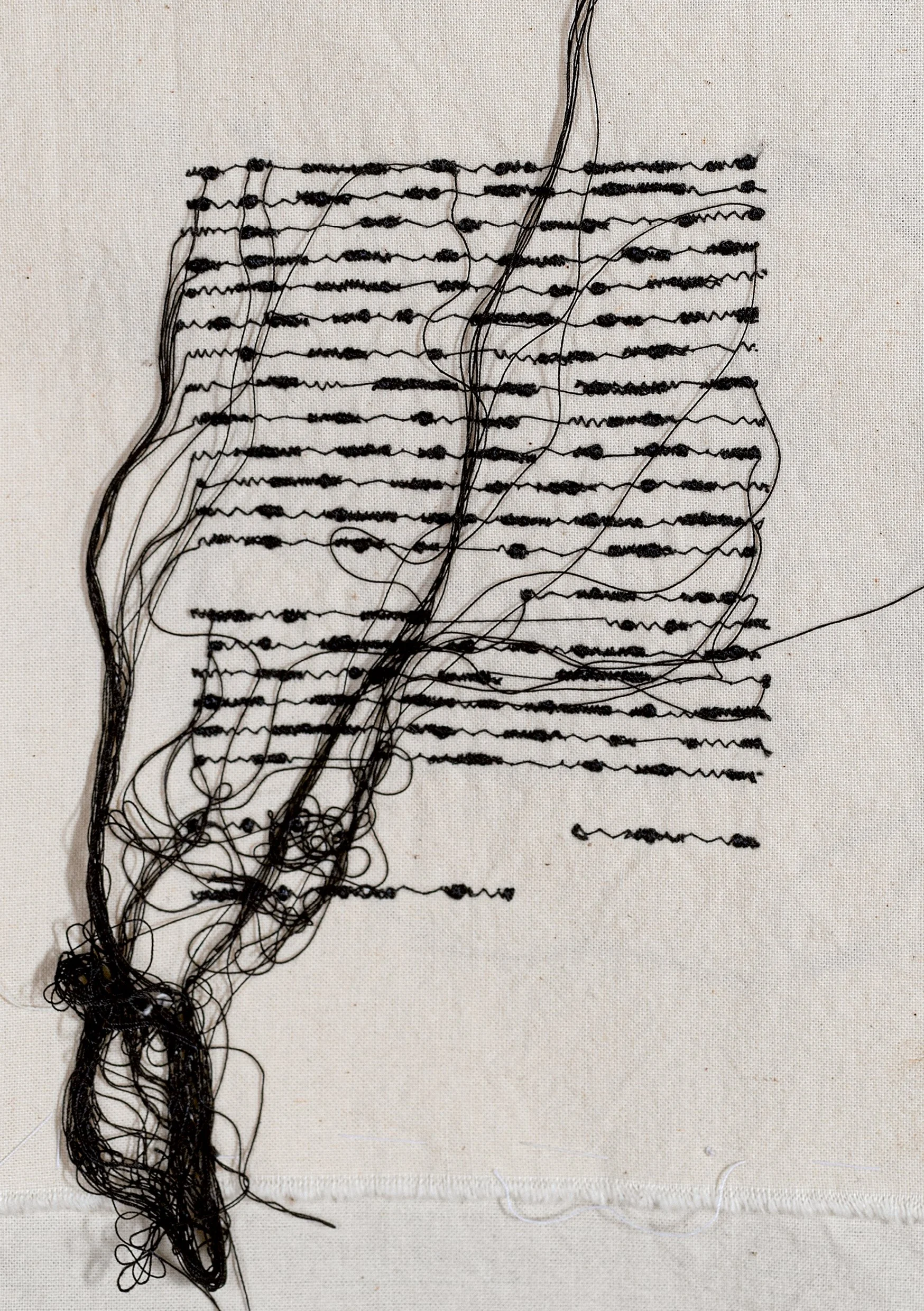
Maria Lai deconstructed the loom, an ancestral topos of the female condition, and chose weaving as her preferred mode of expression to narrate her visionary world. Her looms became “landscape-objects” and symbols of emancipation. Her thoughts flow through her hands and take shape through the interlacing of threads, giving her works a distinctly tactile quality.
works
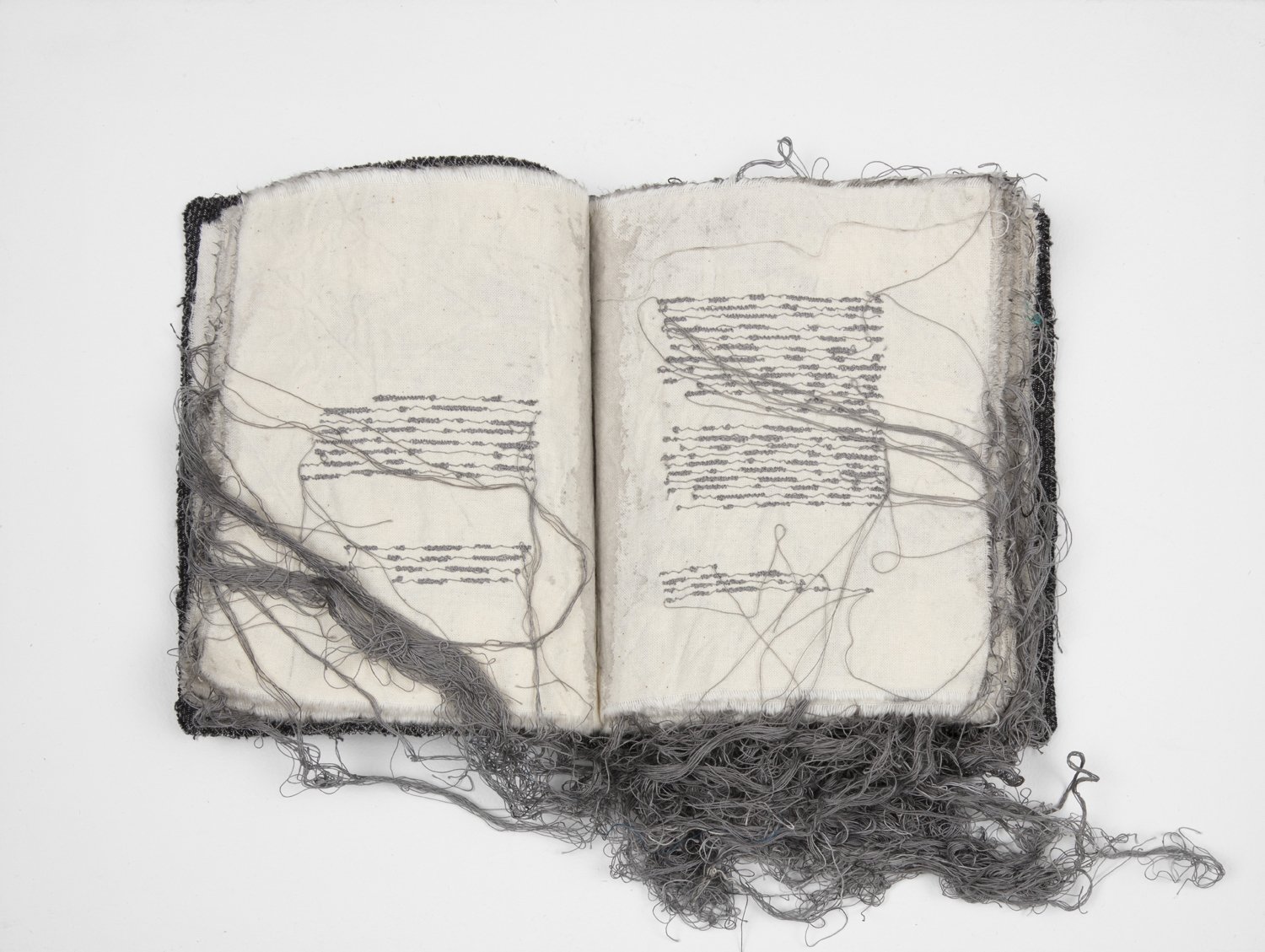
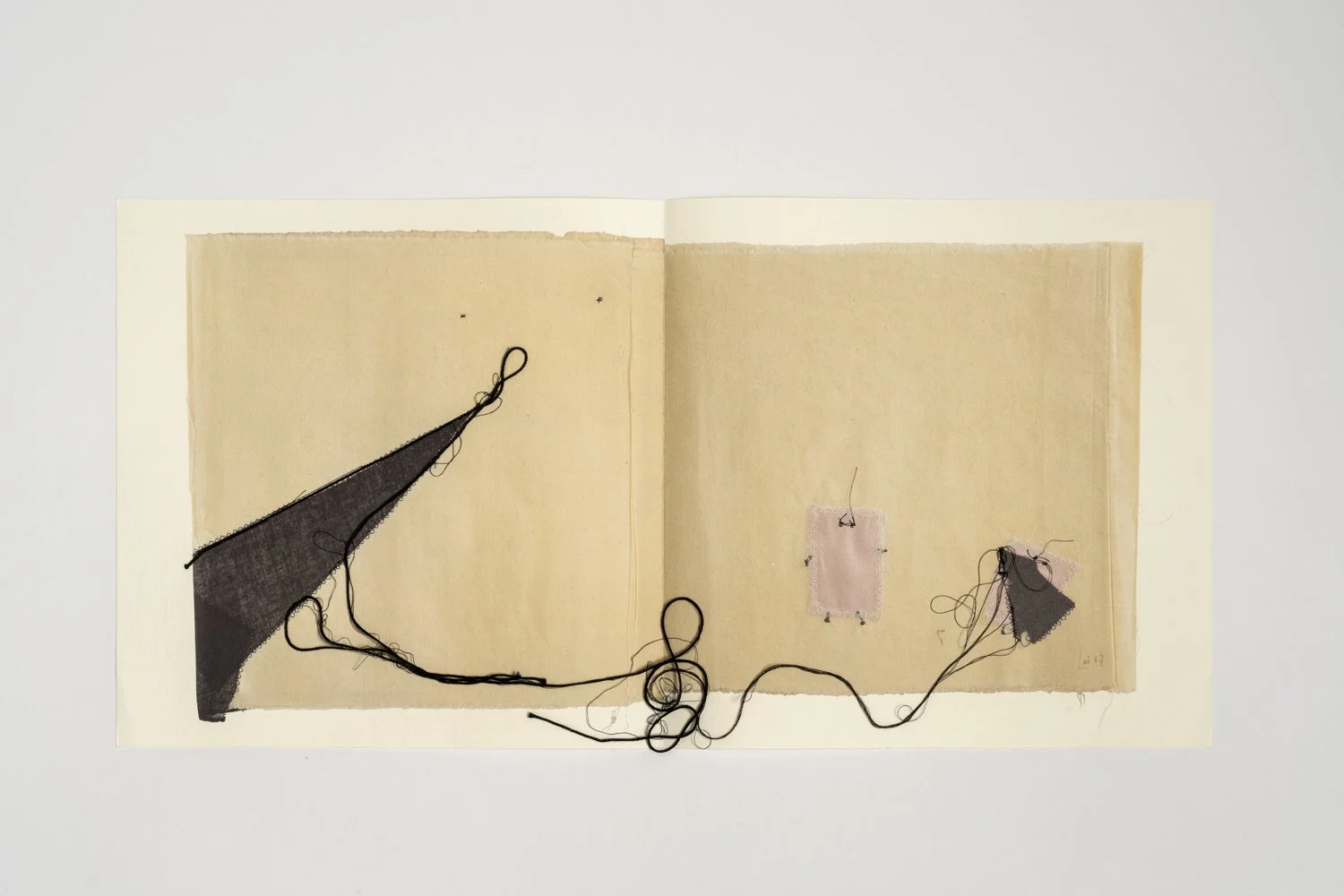
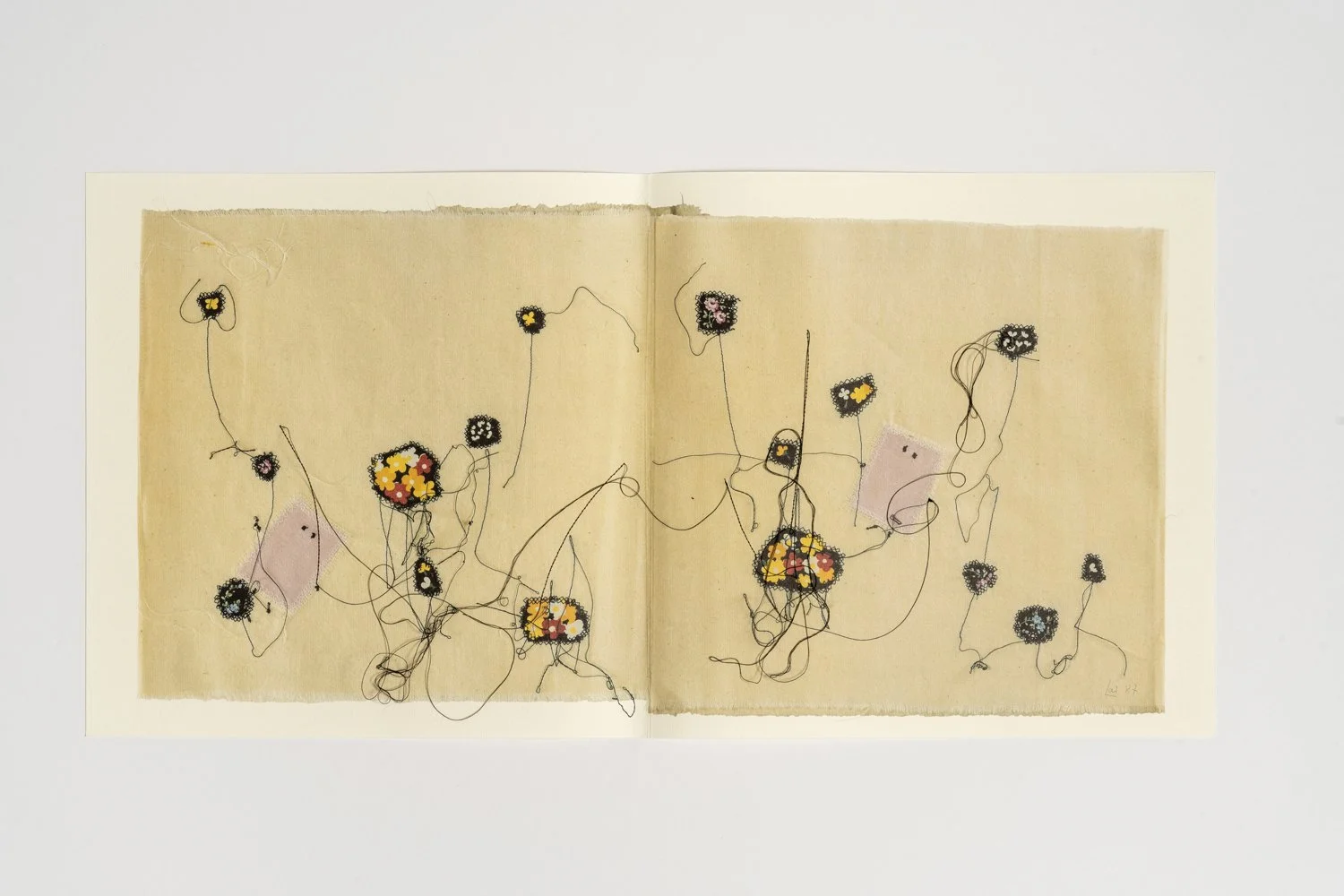
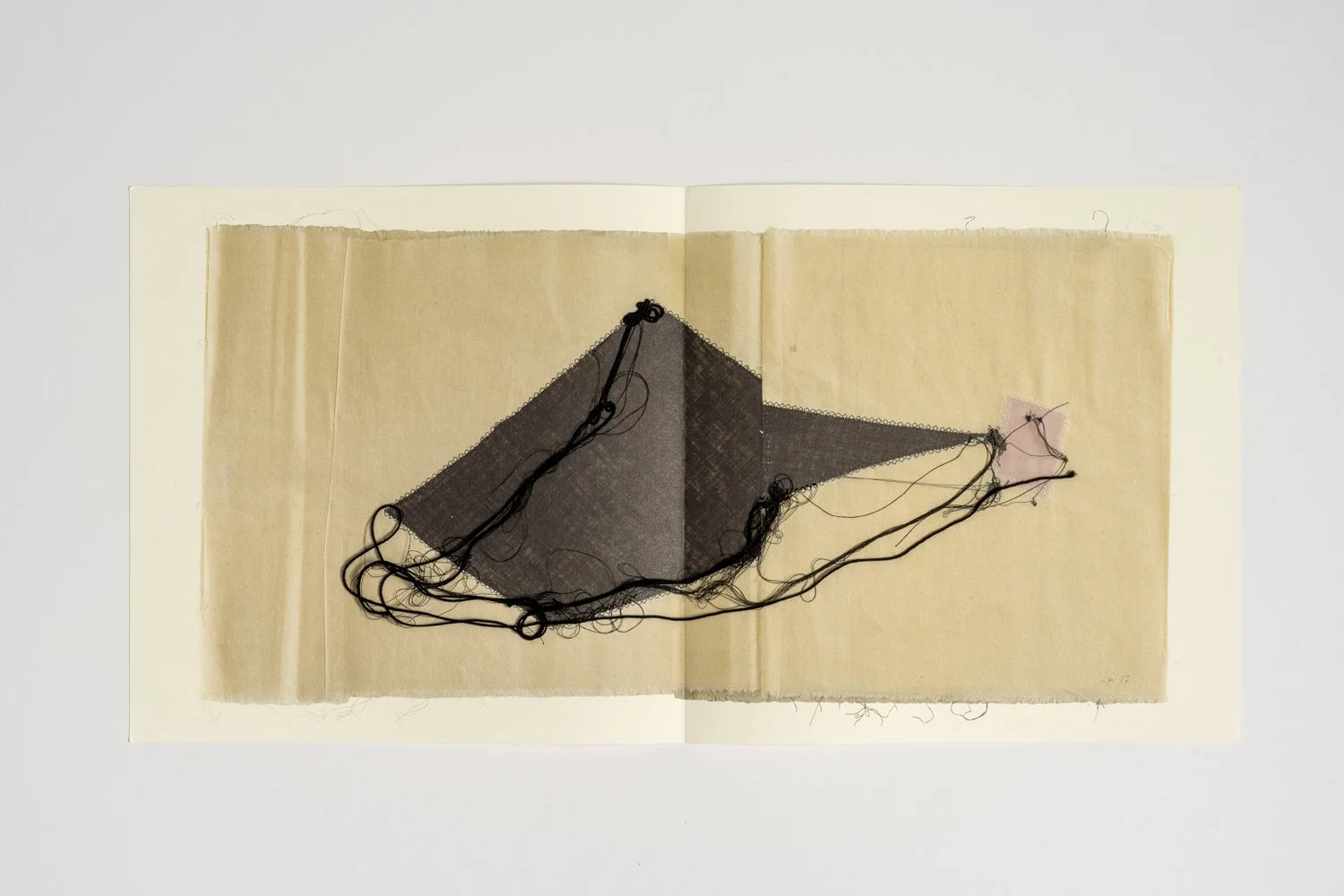
-
Maria Lai (Ulassai 1919 – Cardedu 2013) displayed remarkable artistic talent from an early age. In 1939 she moved to Rome to attend the Art High School. She later enrolled at the Academy of Fine Arts in Venice, where she studied under Arturo Martini. Returning to Sardinia in 1945, she renewed her friendship with the writer Salvatore Cambosu and taught drawing in Cagliari’s secondary schools. In 1956 she moved back to Rome and, the following year, held her first solo exhibition at Galleria L’Obelisco. She became part of a circle of poets and writers, including Giuseppe Dessì. In 1971, at Galleria Schneider in Rome, she exhibited her first Telai, a body of work that would characterize the following decade and bring her closer to the themes of Arte Povera. During the 1980s she devoted herself to her first site-specific and community-based projects, which would become some of the most significant achievements of her career. In 1981, in Ulassai, she created Legarsi alla Montagna, considered the first work of relational art in Italy. This collective action involved the inhabitants of the village linking their houses together with a blue ribbon and then connecting them to the mountain overlooking the town, symbolizing a renewed harmony between humanity, nature, and art. From the 1990s onward, she developed a series of public art interventions that gradually transformed Ulassai, her birthplace, into a veritable open-air museum.
-
Maria Lai (Ulassai 1919 – Cardedu 2013) mostra fin da bambina uno spiccato talento artistico. Nel 1939 si trasferisce a Roma per frequentare il Liceo Artistico. Poi, a Venezia, si iscrive all’Accademia di Belle Arti dove segue le lezioni di Arturo Martini. Rientrata in Sardegna nel 1945 riprende l’amicizia con lo scrittore Salvatore Cambosu e insegna disegno nelle scuole superiori di Cagliari. Nel 1956 ritorna nuovamente a Roma e, l’anno successivo, presso la galleria L’Obelisco, tiene la sua prima personale. Frequenta poeti e scrittori, fra i quali Giuseppe Dessì. Nel 1971, presso la Galleria Schneider di Roma, espone i primi Telai, un ciclo che caratterizza i dieci anni successivi e l’avvicina ai temi dell’Arte Povera, mentre negli anni Ottanta si dedica alle prime operazioni sul territorio che le varranno gli esiti più significativi della sua opera. Nel 1981 realizza a Ulassai Legarsi alla Montagna, considerata la prima opera d'arte relazionale in Italia, un'operazione corale attraverso la quale gli abitanti del paese legano con un nastro azzurro le case tra loro e poi al monte sovrastante, per sancire la ritrovata armonia fra uomo, natura e arte. A partire dagli anni Novanta dà vita a una serie di interventi di arte pubblica che nel tempo trasformano Ulassai, suo paese natale, in un vero e proprio museo a cielo aperto.
exhibitions
news
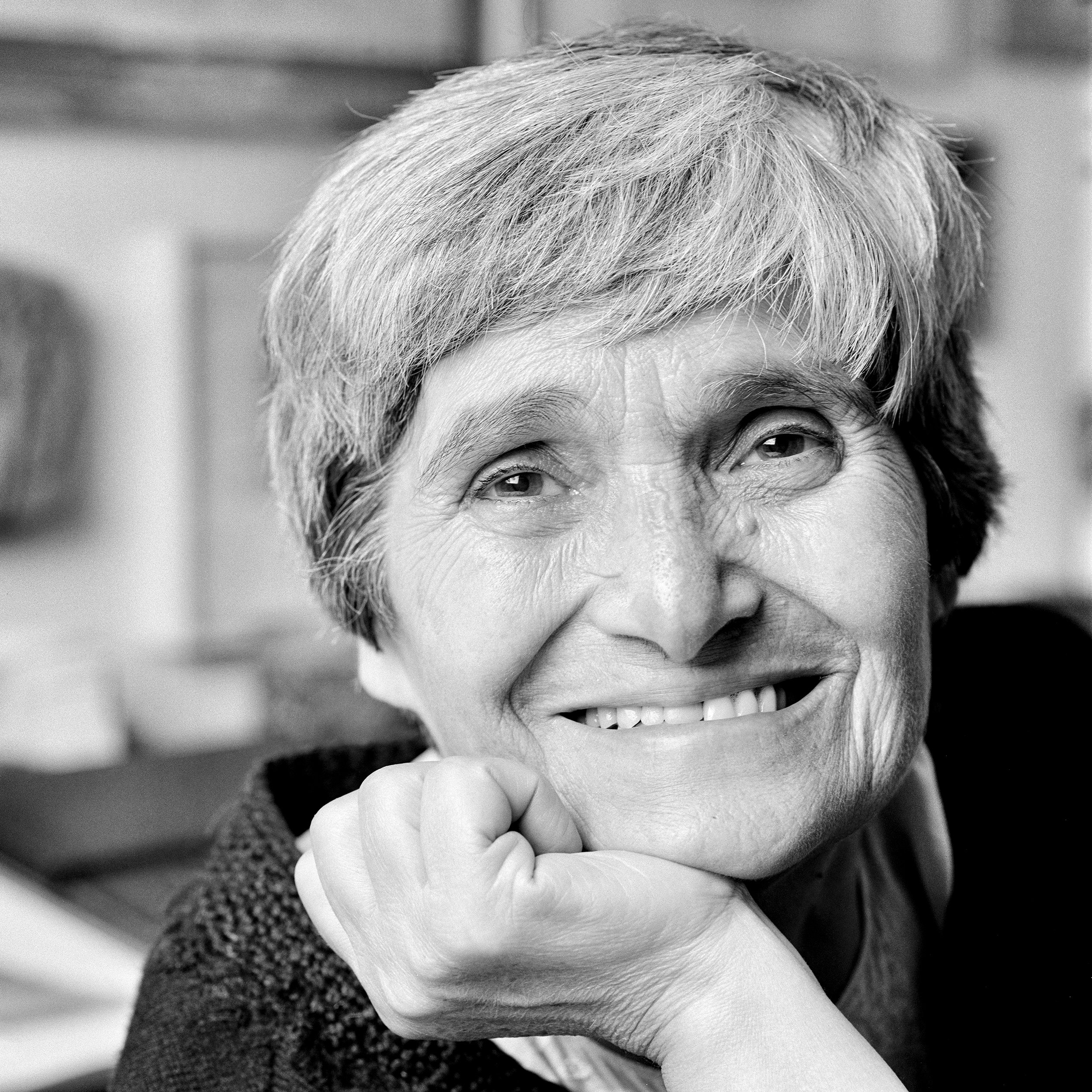
Maria Lai
Ph Pietro Paolo Pinna